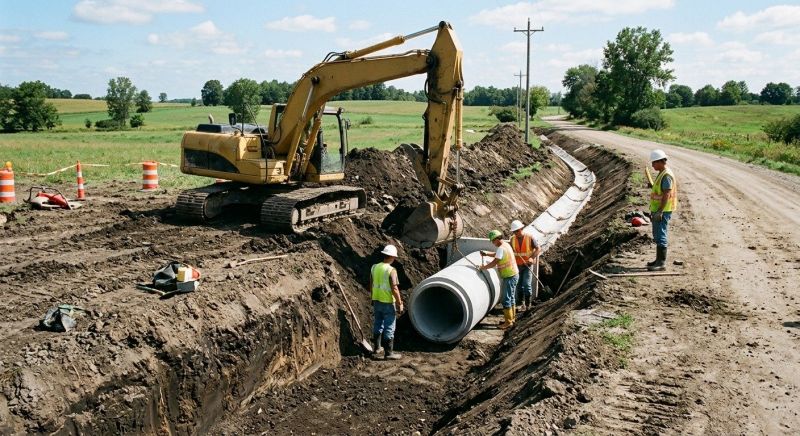
Drainage Ditch Excavation in Salt Lake City, UT
Drainage ditch excavation services involve the removal and reshaping of earth to create effective channels for directing excess water away from residential properties. These services are commonly used for projects such as installing new drainage systems, improving existing ditches, or creating barriers to prevent flooding and soil erosion. Homeowners typically request this work to manage water flow around their property, protect landscaping, or prepare land for construction or landscaping projects.
Property owners should consider factors like the size and slope of the area, water flow patterns, and soil conditions before requesting drainage ditch excavation. Understanding the scope of the project and any potential impact on the landscape can help ensure the excavation meets drainage needs effectively. It’s also helpful to know about local regulations or permits that may be required for excavation work in the area.
Many property owners in Salt Lake City, UT look into Drainage Ditch Excavation for repairs, replacements, upgrades, and appearance-related improvements.
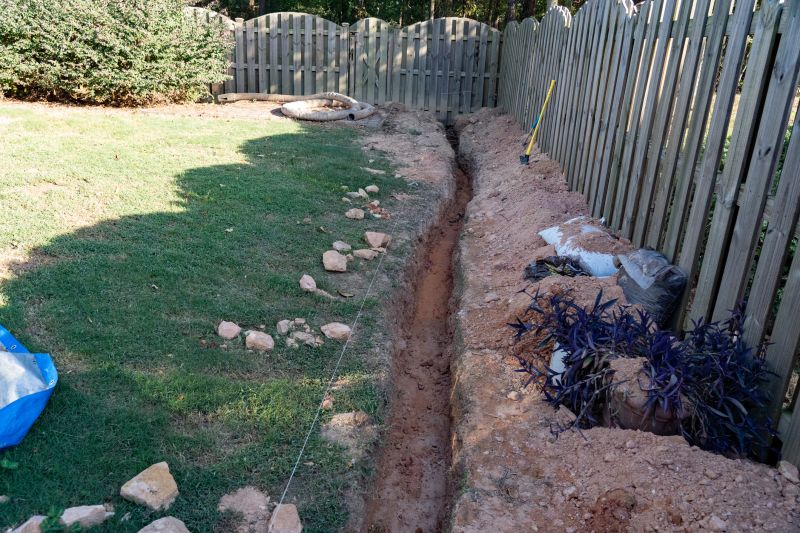
Proper Drainage Management
Effective ditch excavation helps control water flow and prevent flooding on residential and commercial properties.
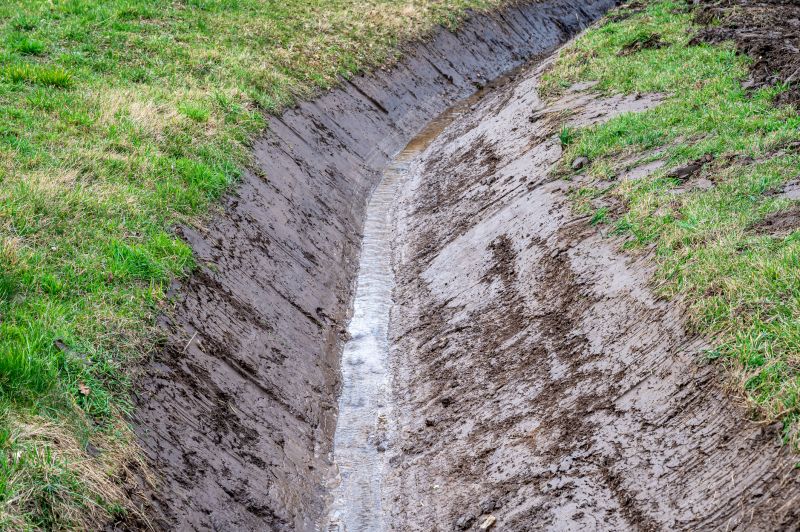
Erosion And Flood Prevention
Excavated drainage ditches reduce soil erosion and protect landscaping during heavy rainstorms near salt lake city.
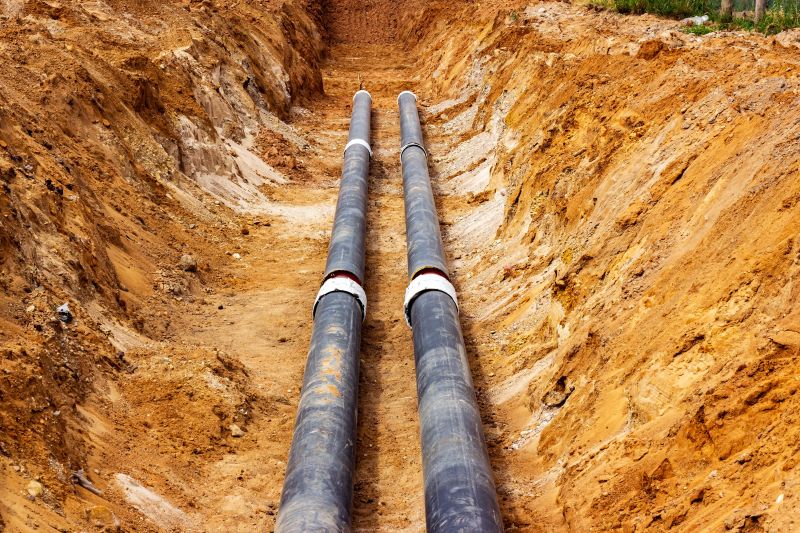
Custom Drainage Solutions
Designing and shaping ditches tailored to specific property needs ensures efficient water runoff and drainage performance.
Drainage Ditch Excavation in Salt Lake City, UT
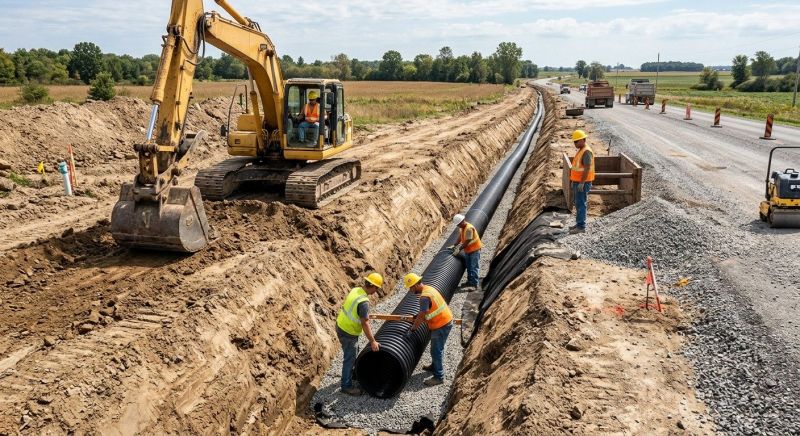
Drainage ditch excavation services involve the removal and reshaping of earth to create effective channels for directing excess water away from residential properties. These services are commonly used for projects such as installing new drainage systems, improving existing ditches, or creating barriers to prevent flooding and soil erosion. Homeowners typically request this work to manage water flow around their property, protect landscaping, or prepare land for construction or landscaping projects.
Property owners should consider factors like the size and slope of the area, water flow patterns, and soil conditions before requesting drainage ditch excavation. Understanding the scope of the project and any potential impact on the landscape can help ensure the excavation meets drainage needs effectively. It’s also helpful to know about local regulations or permits that may be required for excavation work in the area.
Many property owners in Salt Lake City, UT look into Drainage Ditch Excavation for repairs, replacements, upgrades, and appearance-related improvements.
Common Drainage Ditch Excavation Jobs
Drainage ditch excavation helps manage excess water flow across residential properties.
Stormwater management involves creating channels to direct rainwater away from foundations.
Erosion control includes shaping ditches to prevent soil loss and property damage.
Landscape drainage solutions improve yard safety by reducing pooling and flooding.
Flood prevention projects involve excavating ditches to protect against heavy rainfall runoff.
Water runoff diversion helps maintain soil stability and protect landscaping.
Drainage Ditch Excavation Questions
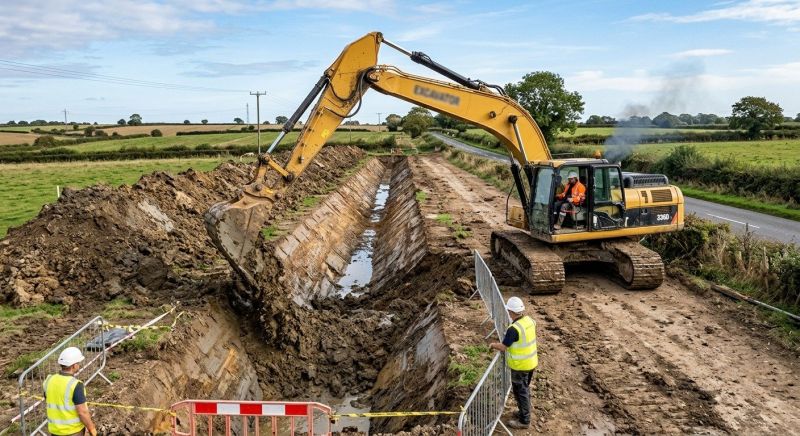
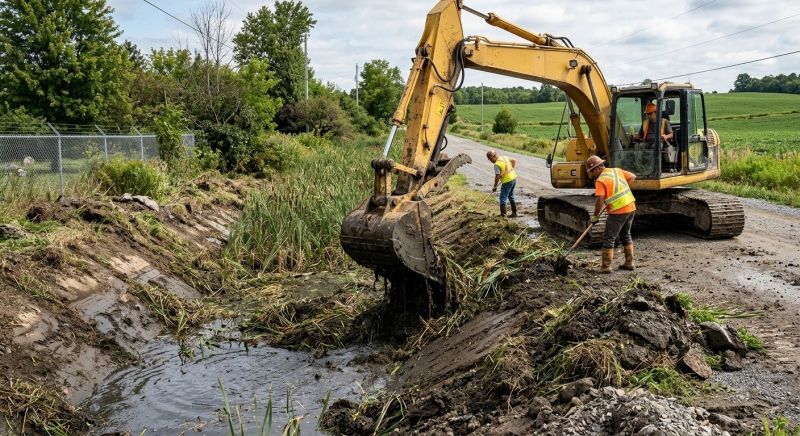
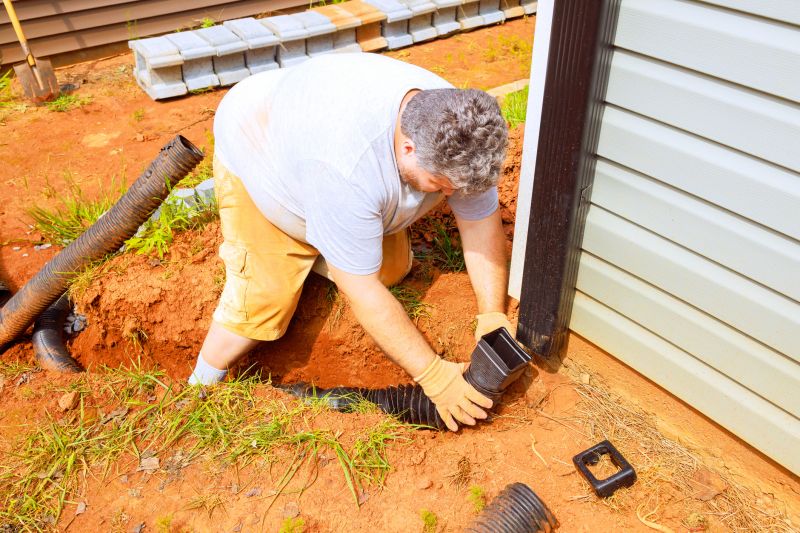
What is drainage ditch excavation used for? It is used to improve water flow and prevent flooding around a property by creating or deepening channels for water runoff.
What types of projects typically require drainage ditch excavation? Projects include managing stormwater, protecting foundations, and improving landscape drainage on residential or commercial properties.
How does drainage ditch excavation benefit property owners? It helps reduce water accumulation, minimizes erosion, and protects structures from water damage.
What should property owners consider before excavation? It's important to assess the land’s slope and drainage needs to ensure the ditch is properly designed for effective water management.
Request Drainage Ditch Excavation in Salt Lake City, UT
Use the quote form on this page to share the basics of your project and request more information for the type of work you need.